
1 review for Classic Rock, Classic Jock
You must be logged in to post a review.
Supernatural Shakespeare and Shakespeare's Goddess
$34.95 × 1
The Chickadees and the Moon Above
$14.95 × 1
Those Fantastic Lives
$16.95 × 2
A Final River to Cross: The Underground Railroad at Youngstown, NY
$39.95 × 1
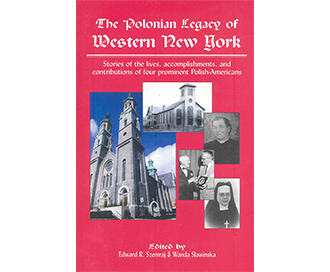
The Polonian Legacy of Western New York: Stories of the Lives, Accomplishments, and Contributions of Four Prominent Polish-Americans
$12.95 × 1
Free Speech and Why You Should Give a Damn
$9.50 × 1
The F Words
$15.95 × 1 Subtotal : $162.15
$19.95
You must be logged in to post a review.
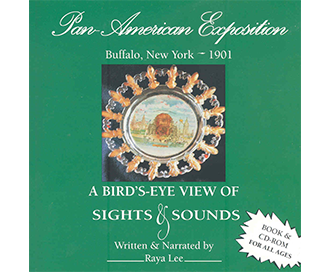
This illustrated, informative booklet offers a bird’s-eye view of the Pan-American Exposition. Review the grounds which were located between what today are Elmwood and Delaware avenues. See the sights that were seen then, when electricity was a novelty. And hear the sounds of the Pan-Am. A delightful CD of the music of the Pan-American Exposition as it was played by John Philip Sousa in 1901 – on player piano rolls – is tucked inside a colorful back pocket. A great way to experience a momentous event, when Buffalo came to be known as the City of Light.
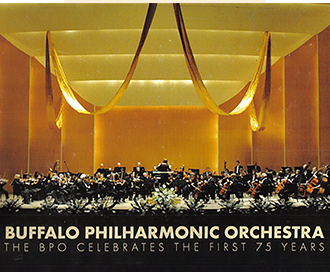
The Buffalo Philharmonic Orchestra came into existence at the height of the Great Depression. Seventy-five years later, it is an internationally renowned, Grammy-winning Orchestra. The story of this amazing trajectory is told through more than 200 images in a beautiful 120-page coffee table book that celebrates music in Buffalo. Follow the BPO from Lajos Shuk to JoAnne Falleta, and meet many of the world’s greatest musicians. Leonard Bernstein to Lang Lang, Johnny Mathis to the Grateful Dead, the BPO has brought the world of music to Buffalo. On tour, it has brought Buffalo to the world. Special sections showcase the BPO’s home, the acoustically perfect Kleinhans Music Hall, the BPO’s many Carnegie Hall appearances and the hundreds of recordings made over the decades.
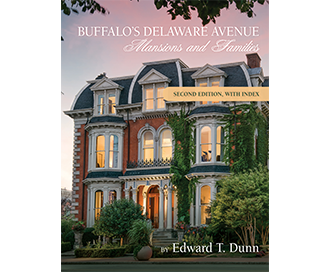
With a robust, four-part, 32-page Index by Buffalo History Museum Assistant Librarian Amy Miller and an Introduction to the Second Edition by Buffalo History Museum Research Librarian Cynthia Van Ness, there is finally excellent access to this encyclopedic book’s amazing contents, street by street, family by family. The decades between the Mexican War and the beginning of World War I revolutionized America’s cities. Industrial prosperity produced an astonishing proliferation of capitalists and industrialists positioned to garner a disproportionate share of the profits. These noveau riches erected magnificent mansions, creating aristocratic residential thoroughfares in cities like Chicago, Boston and Buffalo, of which Delaware Avenue was surely among the most magnificent. Classic Delaware Avenue ran two and a quarter miles, from Niagara Square to Chapin – now Gates – Circle. Four generations of inter-Avenue marriages created a closely knit, complicated cousinry. Encyclopedic in scope, Buffalo’s Delaware Avenue: Mansions and Families is an immense book of facts that covers Buffalo’s grandest Avenue. Discover the tales behind these mansions and their illustrious families.
Stories of the lives, accomplishments, and contributions of four prominent Polish-Americans: Rev. John Pitass, known as the father of Buffalo’s Polonia; Joseph Eustace Fronczak, a prominent Polonian architect; Mother Mary Simplicita Nehring, considered a model of faith in her time; and Ignacy Jan Paderewski’s enduring friendship with Joseph Eustace Fronczak. Together, these compelling stories paint a vivid picture of Buffalo’s Polonian legacy.
Buffalo Snow is the story of a little girl and her older brother who are stranded in a blizzard. With the cold winds whipping around them, they are forced to abandon the family car and seek shelter with strangers. Up against the forces of nature and separated from their family, they learn why Buffalo is called the “City of Good Neighbors.”
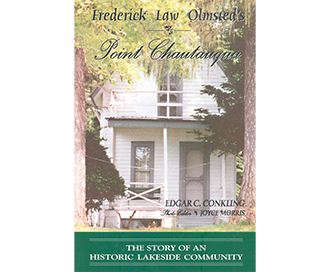
A well-preserved creation of America’s most celebrated landscape architect, Point Chautauqua’s 1875 Frederick Law Olmsted design is listed on the National Register of Historic Places. Among Olmsted’s many works, Point Chautauqua stands alone. Only here did the master find a physical setting that conformed to his aesthetic ideal. Moreover, this was his only design for a religious community. Frederick Law Olmsted’s Point Chautauqua richly exhibits Olmsted’s design principles, making it a perfect example of historic landscape architecture that is also a living, working community, and a rewarding laboratory for students of historic landscape architecture.

Curt Nighswander –
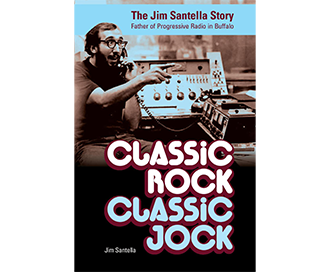
Great read. Takes me back to the days of true progressive FM radio.