
1 review for Classic Rock, Classic Jock
You must be logged in to post a review.
Supernatural Shakespeare and Shakespeare's Goddess
$34.95 × 1
The Chickadees and the Moon Above
$14.95 × 1
Those Fantastic Lives
$16.95 × 2
A Final River to Cross: The Underground Railroad at Youngstown, NY
$39.95 × 1
The Polonian Legacy of Western New York: Stories of the Lives, Accomplishments, and Contributions of Four Prominent Polish-Americans
$12.95 × 1
Free Speech and Why You Should Give a Damn
$9.50 × 1 Subtotal : $146.20

$19.95
You must be logged in to post a review.
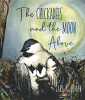
Out of the bleakness and massive chill of a Buffalo winter, Jake Miller has fashioned a visual and text poem of decay, loss, and memory. His photographs find beauty and insight in this freeze that makes us feel happy we are home and warm. A striking hardcover photographic essay that melds word and image masterfully.
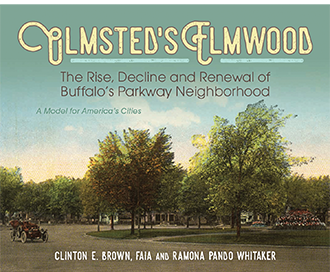
The fascinating story of the historic Elmwood District is told for the first time, from the arrival on the Niagara Frontier of Joseph Ellicott, through the role played by Frederick Law Olmsted’s parks and parkways, and into the decline and renewal during the modern era. This lushly illustrated book educates and enlightens, telling the stories of the people who gave Elmwood its enduring character, transforming it from dense forest into one of America’s top ten neighborhoods.
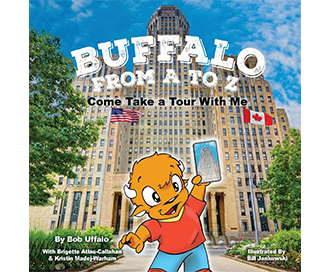
Accompany Bob Uffalo as he takes children to dozens of destinations around Buffalo and Western New York. This cute little buffalo is a delightful guide for kids who are visiting Buffalo, as well as for locals. He’s quick to take a selfie and loves to post them on his Instagram, @Bob_Uffalo. Spectacular photographs showcase more than 60 iconic things to do and places to go in Buffalo, from the Albright-Knox Art Gallery to the Buffalo Zoo.
ISBN SOFTCOVER 978-1-942483-60-1
ISBN HARDCOVER 978-1942483-61-8
IMPRINT Buffalo Heritage Press
DIMENSIONS 51 pages | 8.5″×8.5″
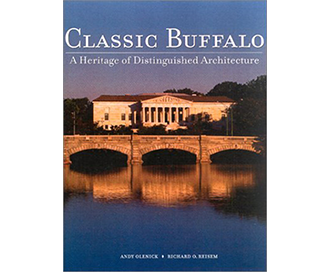
Classic Buffalo celebrates the remarkable quantity, diversity, and quality of Buffalo’s architecture of the 19th and 20th centuries, concentrating on structures of the highest class, of the first order. This golden age of Buffalo architecture is presented in striking full color, with many dramatic double-page and full-page photographs of both exteriors and interiors of hundreds of the most interesting buildings and spaces in Buffalo.
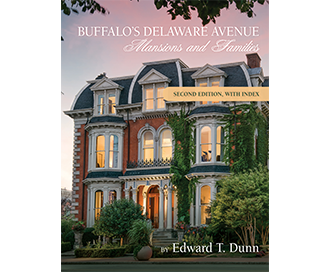
With a robust, four-part, 32-page Index by Buffalo History Museum Assistant Librarian Amy Miller and an Introduction to the Second Edition by Buffalo History Museum Research Librarian Cynthia Van Ness, there is finally excellent access to this encyclopedic book’s amazing contents, street by street, family by family. The decades between the Mexican War and the beginning of World War I revolutionized America’s cities. Industrial prosperity produced an astonishing proliferation of capitalists and industrialists positioned to garner a disproportionate share of the profits. These noveau riches erected magnificent mansions, creating aristocratic residential thoroughfares in cities like Chicago, Boston and Buffalo, of which Delaware Avenue was surely among the most magnificent. Classic Delaware Avenue ran two and a quarter miles, from Niagara Square to Chapin – now Gates – Circle. Four generations of inter-Avenue marriages created a closely knit, complicated cousinry. Encyclopedic in scope, Buffalo’s Delaware Avenue: Mansions and Families is an immense book of facts that covers Buffalo’s grandest Avenue. Discover the tales behind these mansions and their illustrious families.
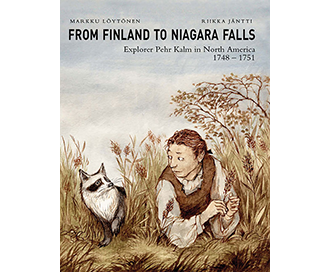
The fascinating untold story of Finnish scientist and explorer Pehr Kalm, who in 1750, became the first scientist to visit and study Niagara Falls. Sent by the famous Swedish natural historian Carl Linnaeus to research the New World, Kalm’s task was to collect samples and write descriptions for Linnaeus. His exciting expedition lasted three and a half years, and its impact on the natural sciences was groundbreaking. Kalm described all that he saw: the landscape and geography, colonists’ settlements and customs, Indians and slaves, and of course, many plants and animals. His scientific report on Niagara Falls was the first, and it was published by Benjamin Franklin. Two states have named their state flowers after him, and the Virginia creeper, which he brought back from his travels, now grows all over Finland.
The book’s brilliant illustrations offer an accurate and engaging picture of Kalm’s journey, and the text is enriched by passages from Kalm’s own travel journal. From Finland to Niagara Falls is an illustrated history book for the young and the curious of all ages.

Curt Nighswander –
Great read. Takes me back to the days of true progressive FM radio.